How to Choose a Cutlery Manufacturer: A B2B Buyer's Guide
What to check before choosing a stainless steel cutlery manufacturer — factory credentials, OEM capability, materials, and QC. A practical B2B buyer's guide.

What to check before choosing a stainless steel cutlery manufacturer — factory credentials, OEM capability, materials, and QC. A practical B2B buyer's guide.
Most sourcing mistakes in the flatware category are not about price — they are about picking the wrong supplier for the wrong reason. A manufacturer that works well for a mid-range retail chain may be the wrong fit for a hotel procurement team, a private-label brand, or a distributor serving multiple markets. Choosing well upfront means fewer surprises at the container level, less rework, and a supply relationship that holds when volumes scale.
This guide walks through the key checkpoints B2B buyers — importers, distributors, foodservice equipment suppliers, supermarket sourcing teams, and brand owners — should work through before committing to a cutlery manufacturer.
This is the most practical first step, and buyers skip it more often than they should.
Trading companies can quote you. Some offer decent service. But they sit between you and the factory, which means you have less control over material grades, production scheduling, custom tooling, and quality sign-off. When you need to resolve a defect claim or adjust a specification mid-run, that extra layer matters.
A genuine manufacturer will be able to:
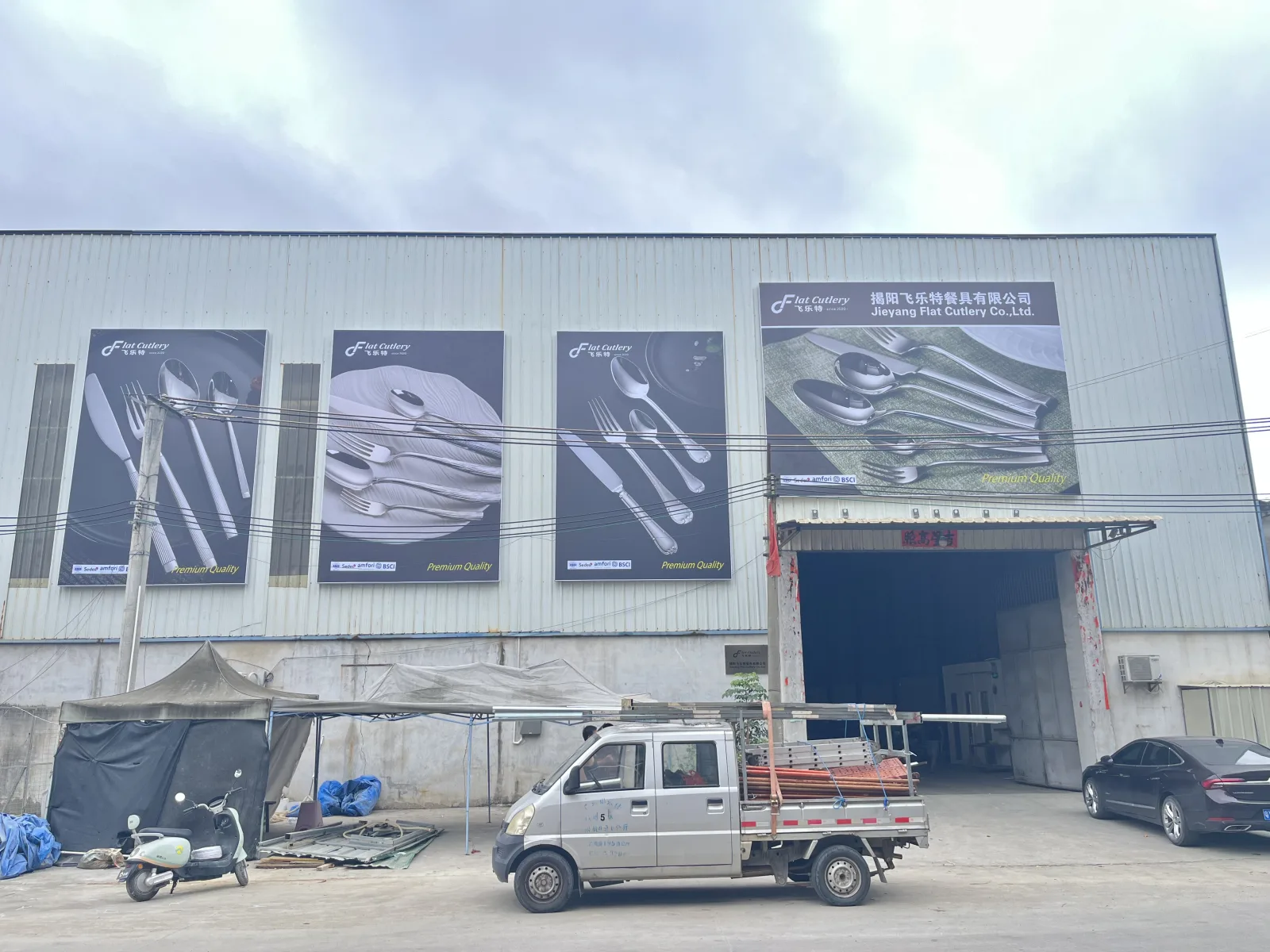
When doing flatware sourcing from China, visiting a factory — or requesting a credible walkthrough from a cutlery factory in Jieyang or another major manufacturing hub — is worth the time investment before any meaningful volume commitment.
Stainless steel flatware is not a single material. The grade affects corrosion resistance, weight, polish retention, and long-term performance — which matters a great deal to your end customer.
If you are sourcing for hotel and restaurant flatware accounts, 18/10 stainless steel flatware is the conventional starting point. For promotional or entry-level retail, 430 or 201 may be adequate — but always confirm the grade in writing, not just a verbal commitment.
Beyond material, pay attention to how the piece is built. Solid stainless steel, hydraulic pressed, forged, lathe-made, hollow handle, inserted handle, and clamped handle all differ meaningfully in weight, balance, rigidity, and price point. A forged knife feels different in the hand from a hollow-handle knife, and each serves a different market expectation. If you are sourcing flatware with non-metal handles, clarify the exact material — PP, ABS, PS, ceramic, wood, and bamboo each carry different durability, cost, and regulatory considerations depending on your target market.
The grade and construction should match your product specification — and that specification should be locked into the sample approval, not left open to interpretation.
Many importers and brand owners need more than a standard product off the shelf. They need custom patterns, private-label packaging, specific weight ranges, or exclusive colorways. This is where working with a genuine OEM cutlery manufacturer becomes important.
A capable OEM/ODM factory should be able to handle:
When evaluating an OEM partner, ask whether they own their molds in-house or subcontract tooling. Ask to see samples from existing custom programs. And understand the sample approval process clearly — a signed, approved sample is the reference document that governs the entire production run.
The finish on a piece of flatware affects how it looks on a table, how durable the surface is under use, and how easy it is to maintain. It also affects cost and lead time.
For buyers sourcing decorative or gift-box flatware, PVD finishes are increasingly a standard expectation in many markets. Confirm with the factory what their in-house PVD capability covers, and always request a durability benchmark specific to the finish and product type — do not accept blanket claims about dishwasher cycle performance.
A factory's quality process tells you more about supply reliability than most other factors. Ask specific questions rather than accepting "we have quality control" as an answer.
Key areas to probe when reviewing flatware quality control:
Strong quality control is process-driven, not just inspector-driven. A factory that can describe its edge-check method, its polishing defect classification, and its packing inspection procedure is more likely to deliver consistent results across repeated orders.
Packaging is not an afterthought, especially if you are a distributor or retailer. The right packaging protects the product, reduces returns, and in retail settings, directly affects sell-through.
Confirm what the factory can supply:
Also confirm the factory's export experience for your specific markets. A manufacturer regularly exporting to 100+ countries will have practical familiarity with documentation, carton marking, and shipment preparation — that experience reduces friction at your end.
Use this checklist when evaluating any cutlery supplier for importers or wholesale buyers:
A credible manufacturer will give you direct, specific answers to all of these. Vague or evasive answers on material grade, tooling ownership, or quality standards are worth noting before you proceed.
Flat Cutlery is a stainless steel flatware and cutlery manufacturer based in Jieyang, Guangdong Province, China. The brand traces its history to 1993; the current factory was established in 2020 and covers 30,000 m², with an additional 10,000 m² warehouse.
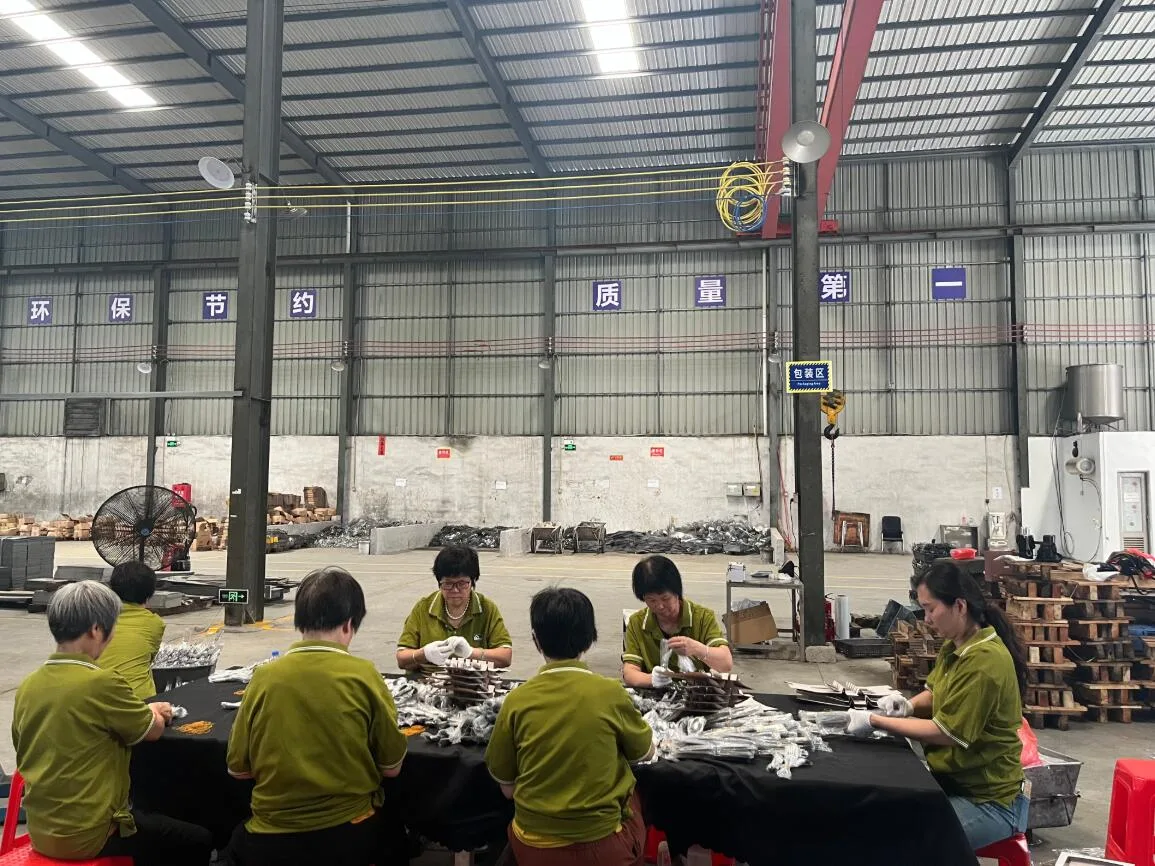
The factory runs 30 production lines with 160 machines, supported by a 300-person team including 20 in-house designers. Daily production capacity is 200,000 pieces. Flat Cutlery exports approximately 60 million pieces annually to 100+ countries and regions, serving 4,000+ customers worldwide across wholesale, hospitality, retail, and private-label channels.
Browse the full range of wholesale stainless steel flatware or review production and tooling details on the cutlery factory in Jieyang page.
Choosing a cutlery manufacturer is a supply chain decision, not just a purchasing transaction. The right partner understands your end market, can work within your specification requirements, and has the process discipline to deliver consistently across multiple orders.
Take the time to verify factory status, confirm material grades in writing, understand OEM capabilities before you need them, and establish clear quality criteria before production begins. These steps take more effort upfront — but they are far less costly than resolving a container-load of rejected product.
If you are evaluating suppliers and want to understand what Flat Cutlery can offer for your specific program, request a catalog or sample and our team will respond with relevant product information and capacity details.
A manufacturer owns and operates its own production facility, tooling, and quality process. A trading company sources from factories and acts as an intermediary. For buyers who need custom specifications, consistent quality standards, or direct OEM development, working with a manufacturer reduces the number of handoffs and gives you more control over the outcome.
18/10 (304 with 10% nickel) is the conventional grade for hospitality-grade flatware. It offers good corrosion resistance and polishes well. 18/8 (304) is also widely used. For budget tiers or promotional use, 430 or 201 may be considered, but the grade should match the end-use environment and any applicable market regulations. Always confirm the grade for the specific SKU, not just the product category.
Standard options include mirror polish, satin/brushed finish, and sandblasted matte. PVD coating adds colour — commonly gold, rose gold, champagne gold, black, and other tones. Water gold plating is available for certain applications. The right finish depends on your end market, price point, and the care instructions appropriate for your buyer channel.
OEM (Original Equipment Manufacturer) means the factory produces to your specifications — your pattern, your branding, your packaging. This can involve new mold development for custom handles or patterns, logo application via laser marking or stamped dies, custom set combinations, and bespoke packaging. It requires a sample approval stage and typically a confirmed minimum quantity for the tooling and production run to be commercially viable.
Ask for a written description of the inspection process: how edges are checked, what surface defects constitute rejection, how material is verified on receipt, and whether in-process checks are carried out during production. Request to see inspection records from a recent order. Ask whether the signed approval sample is retained throughout production as the reference standard. A factory with a real QC process can answer these questions specifica lly.
Common options include bulk packing for B2B supply, blister packs and card backing for retail display, window boxes for visible product presentation, and gift boxes for premium or seasonal sets. Confirm early in the development process what packaging format your buyer or market requires, as this affects production planning, tooling for inserts, and per-unit cost.
Share your product type, finish, material and quantity requirements. Our factory team will help with quotation and catalog support.
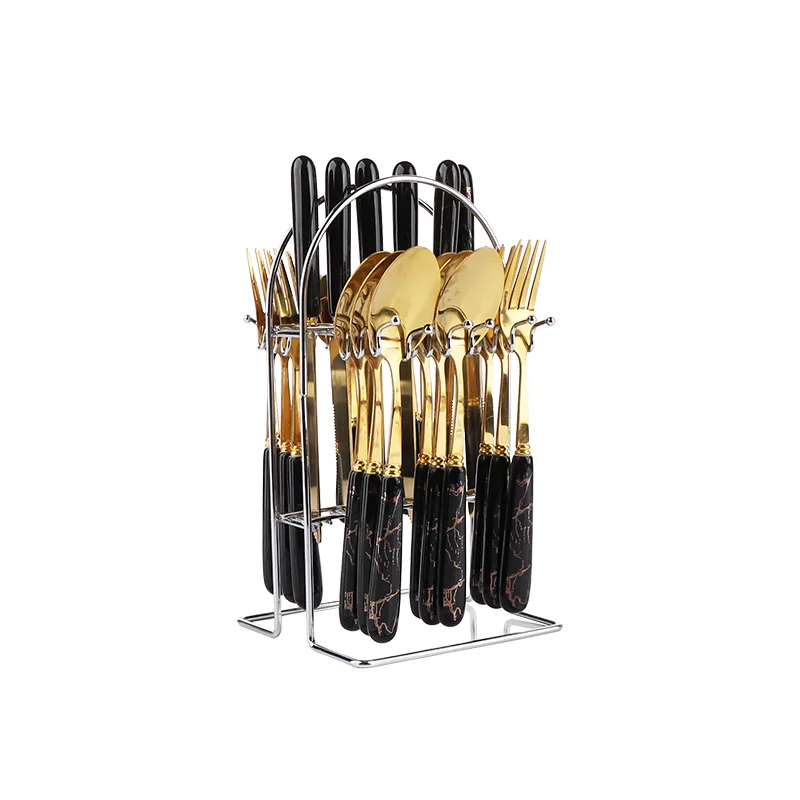
In the Russian market, the sales of ceramic-handled cutlery are undergoing a channel differentiation. The same product placed on offline supermarket shelves versus appearing in search results on Ozon or Wildberries targets nearly two entirely different customer groups. Without understanding this difference, product selection risks becoming one-size-fits-all, ultimately leading to poor performance on both platforms.
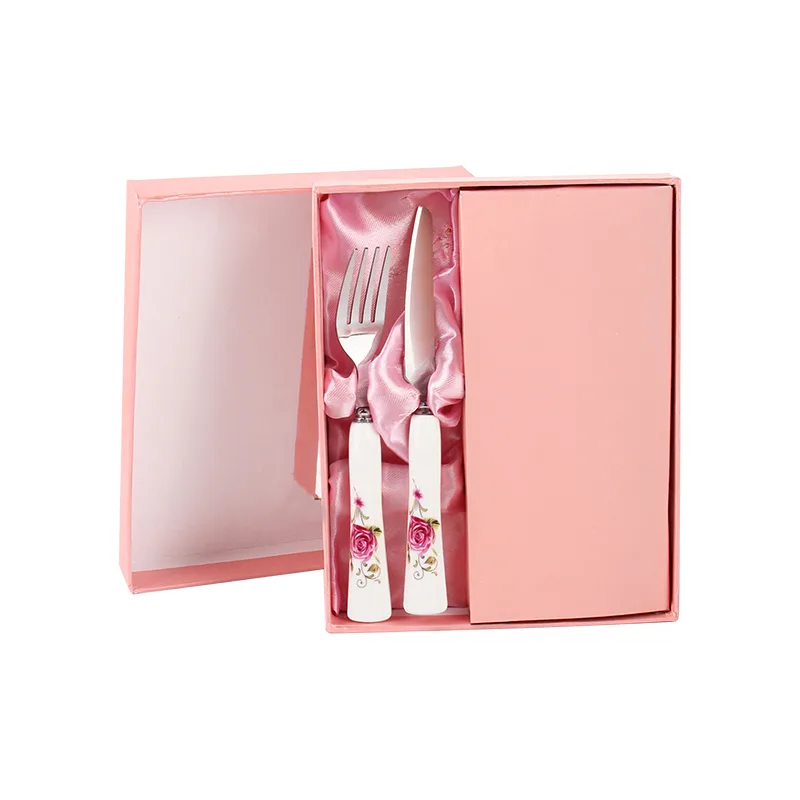
From high-end restaurants in Moscow to family kitchens in Almaty, ceramic-handled knives and forks are becoming an increasingly common sight on dining tables across Russian-speaking regions. They represent not just a product, but a precise response by China's tableware industry to the evolving consumption trends in these markets.
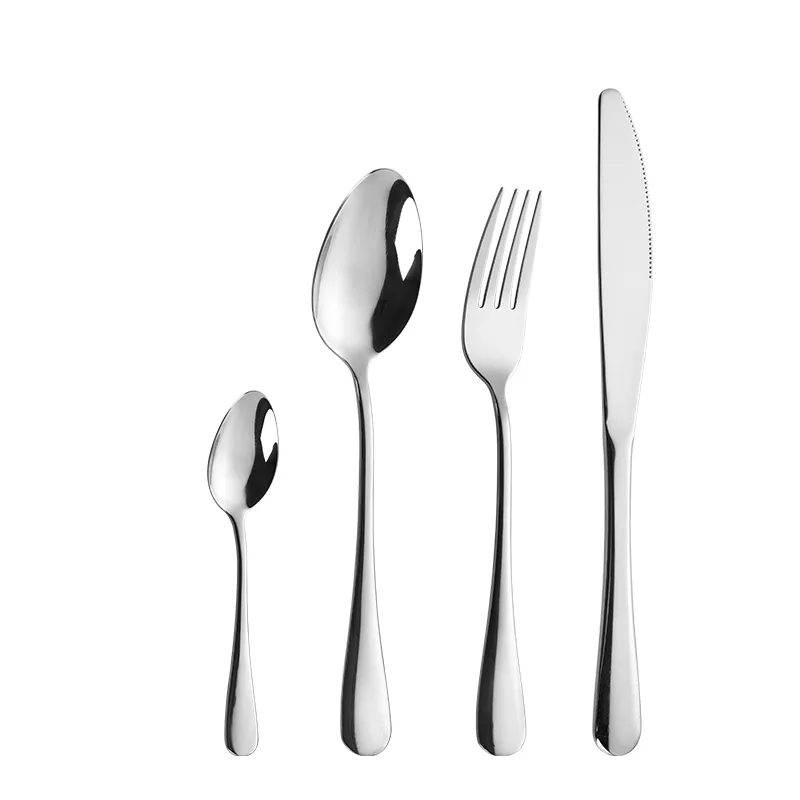
Looking for popular stainless steel cutlery sets for the European market? This article introduces four top‑selling flatware collections from our Jieyang factory. The classic household cutlery, widely supplied to Aldi and Carrefour, comes in 16‑piece & 24‑piece 430‑steel sets for daily home use. The matte Portuguese‑style cutlery is a go‑to option for wedding‑banquet wholesalers, available in light weight cost‑effective, and heavy premium versions. Our premium HORECA cutlery uses 420 knives plus 304 forks and spoons, ideal for 5‑star hotels and fine‑dining restaurants. We also offer custom plastic‑handle cutlery with solid‑color or themed printed handles. As an experienced Chinese cutlery manufacturer exporting to Europe, we serve importers, wholesalers and hotel buyers with reliable OEM & ODM solutions.
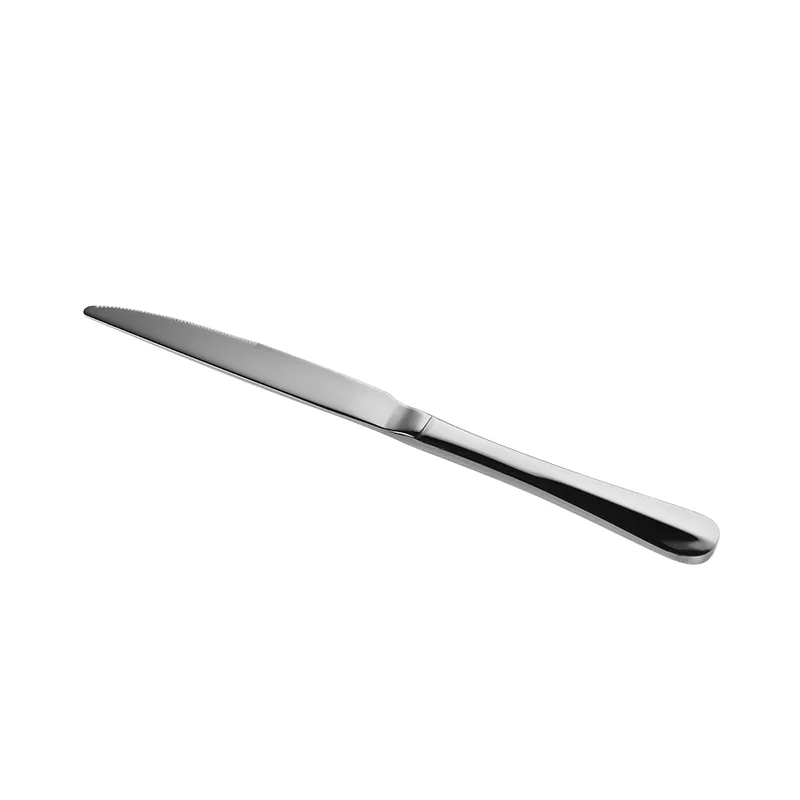 Customized Logo Designs Slive Dinner Knife with Classic Shape
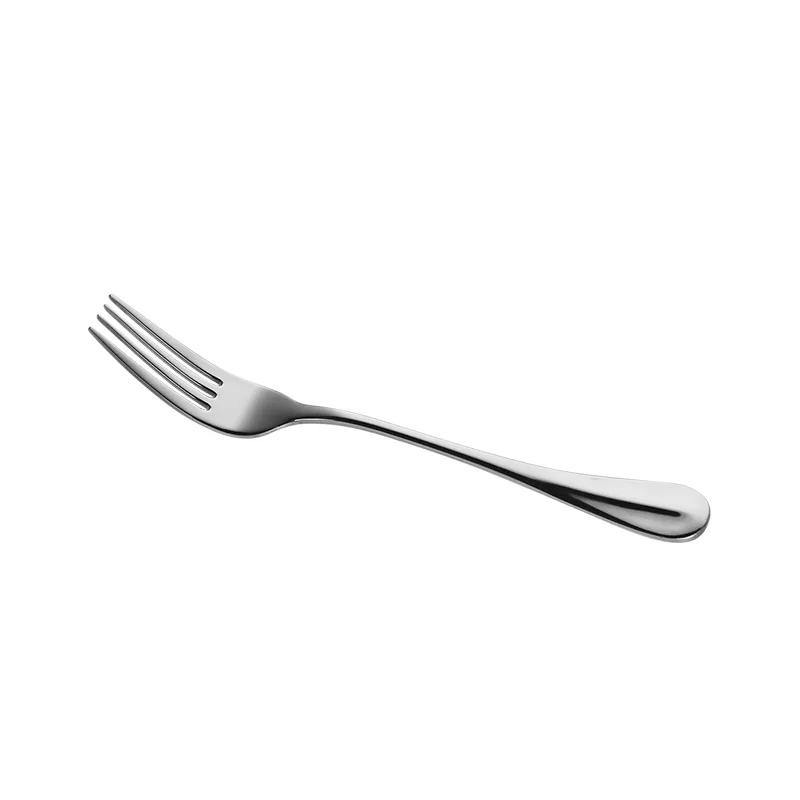 Stainless Steel Dinner Fork, Classic Solid Handle Table Fork for Home Restaurant Western Food
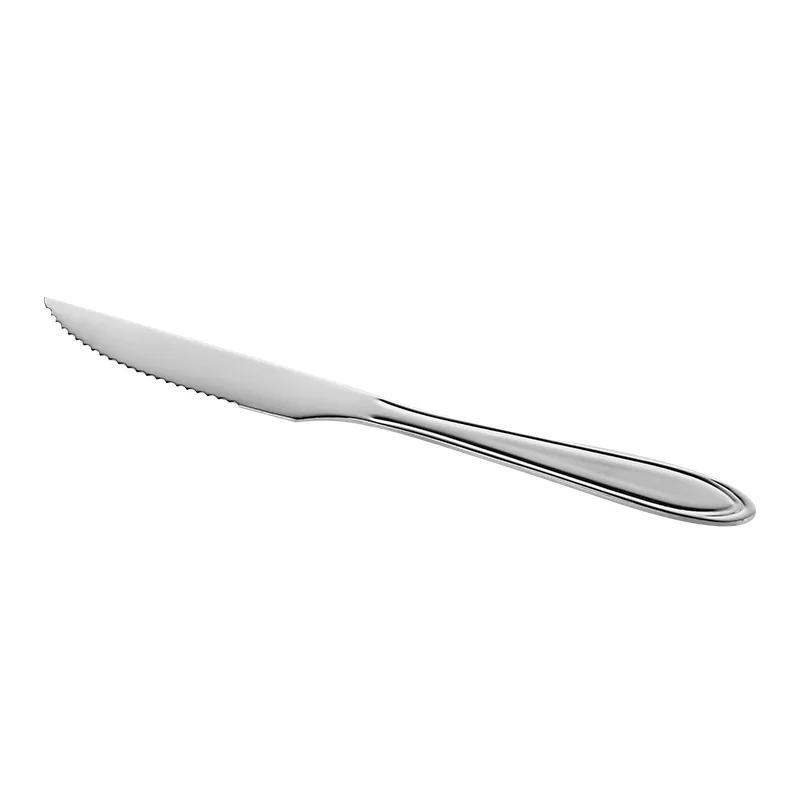 410 Stainless Steel Sharp Steak Knife In Bulk Price
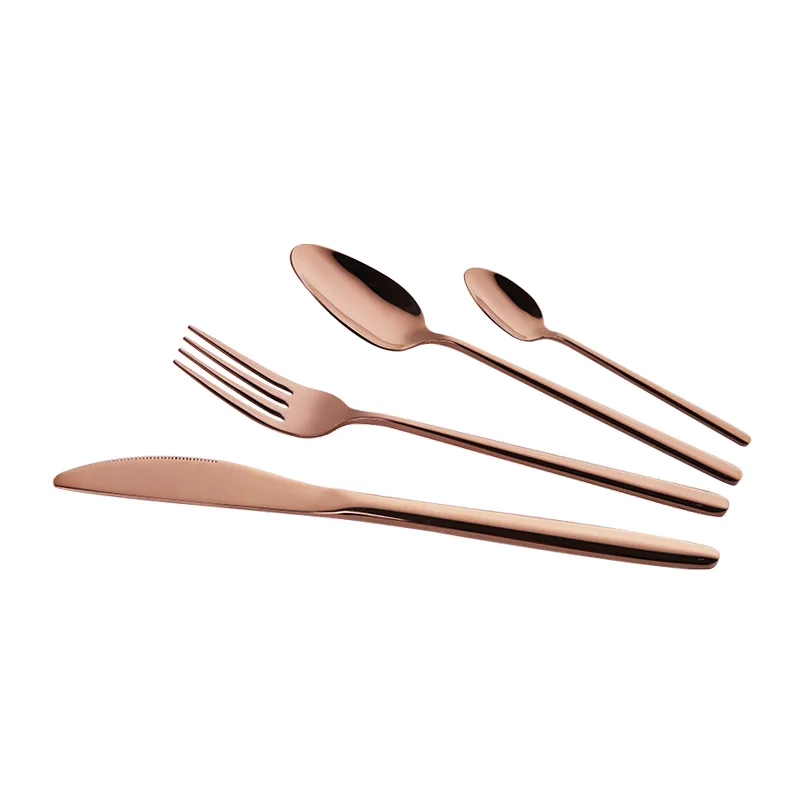 13/0 Stainless Steel Rose Gold 16pcs Tableware Dinner Set