In the Russian market, the sales of ceramic-handled cutlery are undergoing a channel differentiation. The same product placed on offline supermarket shelves versus appearing in search results on Ozon or Wildberries targets nearly two entirely different customer groups. Without understanding this difference, product selection risks becoming one-size-fits-all, ultimately leading to poor performance on both platforms.
First, understand the fundamental differences between the two platforms
Although both Wildberries and Ozon are major e-commerce giants in Russia, their positioning is strikingly different. Wildberries is known for its ultra-low pricing strategy—71% of consumers consider it "the cheapest across Russia," with an average order value of just 720 rubles (approximately 60 RMB). Its primary users are women aged 25 to 40 who tend toward impulsive shopping and respond strongly to promotions and discounts. In other words, Wildberries is a place where customers "end up buying while browsing."
Ozon, by contrast, is entirely different. Known in the industry as the "Russian version of JD.com," it has an average order value of 1,680 rubles (about 140 RMB), targeting middle- to high-income consumers with a repeat purchase rate as high as 48%. Ozon users tend to shop purposefully and are willing to pay a premium for quality and logistics experience.
This underlying difference directly shapes the product selection logic for flatware with ceramic handle manufactured from China on each platform.
Wildberries: Volume-driven, low-priced, visually driven
On Wildberries, the core competitiveness of ceramic-handled cutlery lies in "first-glance appeal" and "low decision-making barrier."
Product presentation on Wildberries is image-centric, and users scroll through listings at lightning speed. The greatest strengths of ceramic handles—rich colors, patterns, and designs—are fully leveraged here. Vibrant macaroon hues, animal shapes, floral motifs—these instantly grab attention even within search results.
Pricing-wise, Wildberries users typically spend no more than 3,000 rubles per order, so ceramic-handled cutlery should be priced accordingly. Single pieces or small sets (such as 2–3-piece sets) sell better because users don’t need to “do extensive research before buying a set,” making impulse purchases more likely.
It’s important to note that sellers bear 70% of return costs on Wildberries, and return rates for women's products and daily necessities are already relatively high. Therefore, packaging durability must be carefully considered during product selection, and measures should be taken in advance to protect against breakage during shipping.
Ozon: Quality-focused, mid-to-high priced, review-driven
Users entering Ozon usually have clear purchase intentions. When searching for "ceramic-handled cutlery wholesale from Jieyang Factory", they’re looking for something durable and presentable.
On this platform, the selection logic shifts toward "trust." Ozon users are relatively less sensitive to price but highly responsive to quality signals—high-resolution photos, detailed product descriptions, and especially authentic buyer reviews are key drivers of conversion. A review stating, "The handle hasn't loosened after six months of use," holds far greater weight on Ozon than it would on Wildberries.
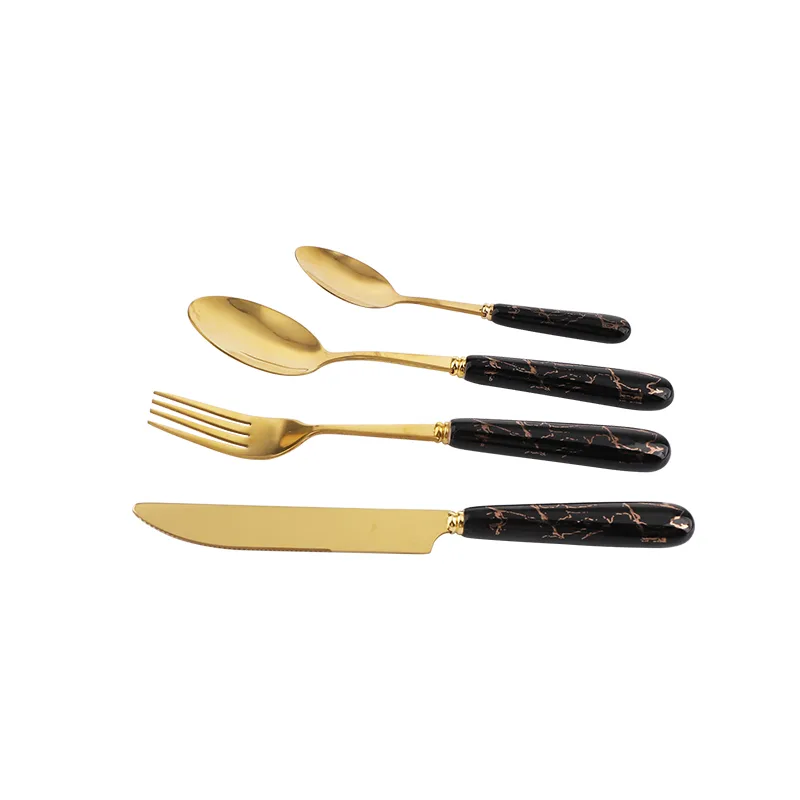
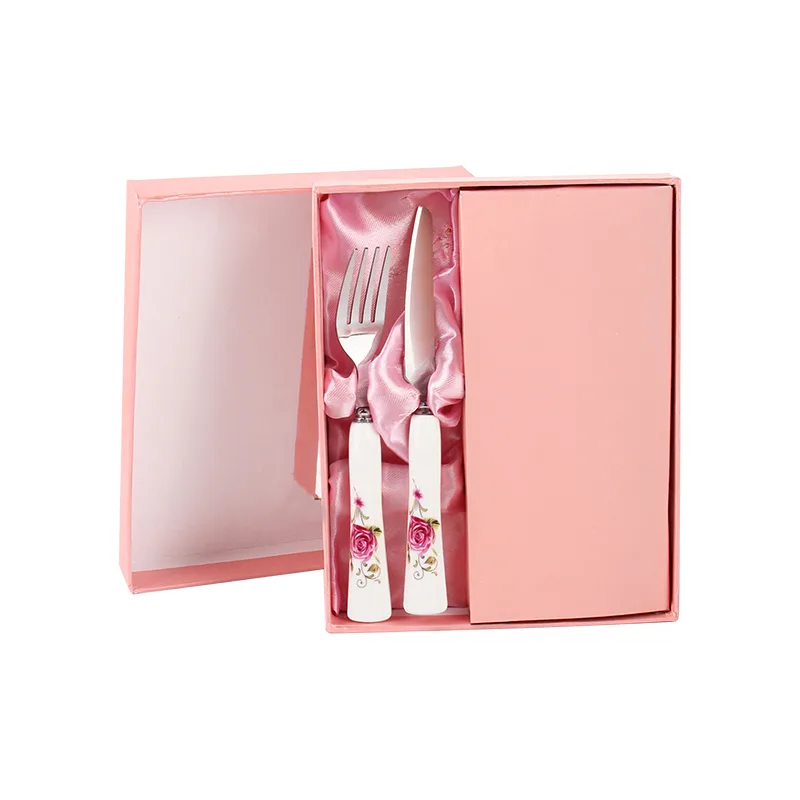
Ceramic-handled cutlery performs better on Ozon when sold as complete "sets." Full knife, fork, and spoon combinations paired with gift-quality packaging support higher average order values. Ozon users clearly demand products suitable for gifting, and the refined appearance of ceramic handles naturally fits this positioning. Some Russian product pages explicitly position ceramic-handled cutlery as "an ideal gift."
Offline supermarkets: Experience-driven, family-sized, immediate needs
The product selection logic for offline supermarkets differs yet again.
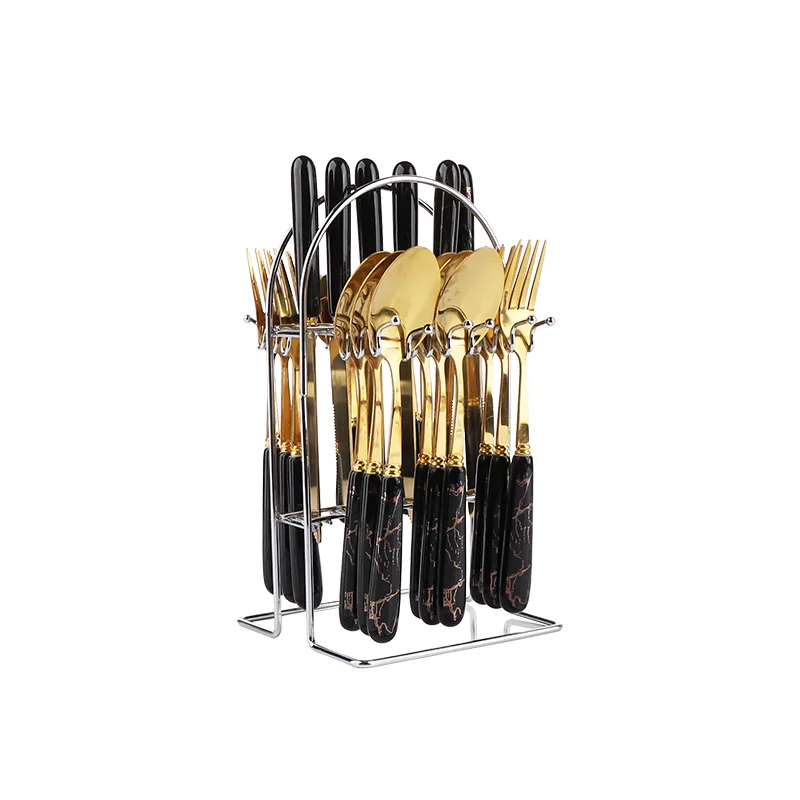
In offline retail channels in Russia, consumers can physically touch the ceramic handles to feel their texture, check their weight, and examine the craftsmanship at connection points. This "hands-on experience" is something online channels cannot replicate. As a result, ceramic-handled knives and forks sold in brick-and-mortar supermarkets tend to focus on "family sets"—four- or six-place settings—meeting the demand for one-time bulk purchases by households.
When it comes to color options, offline retailers lean conservative. Black, white, and classic floral patterns are safer choices than bold, pastel-like macaron shades, as middle-aged housewives—who make up a significant portion of offline shoppers—tend to have more stable aesthetic preferences.
Another notable trend in the Russian tableware market is that consumers are shifting from "just functional" to "both functional and stylish." Therefore, when selecting ceramic-handled cutlery for offline stores, brands must strike a balance between visual appeal and avoiding overly avant-garde designs.
Key recommendations for buyers:
If you're focusing on just one channel, your product selection should be fully aligned with its requirements. For Wildberries, choose vibrant colors, affordable prices, and eye-catching small items; for Ozon, opt for solid craftsmanship, elegant packaging, and well-reviewed sets; for offline supermarkets, go for classic color schemes, family-sized packs, and products with strong tactile quality.
If you aim to cover multiple channels simultaneously, the most practical approach is to differentiate product lines rather than force the same item across all platforms. Volume-driven products for Wildberries and premium-quality offerings for Ozon should differ distinctly in color, packaging, and pricing.
Need OEM/ODM Flatware Support?
Share your product type, finish, material and quantity requirements. Our factory team will help with quotation and catalog support.

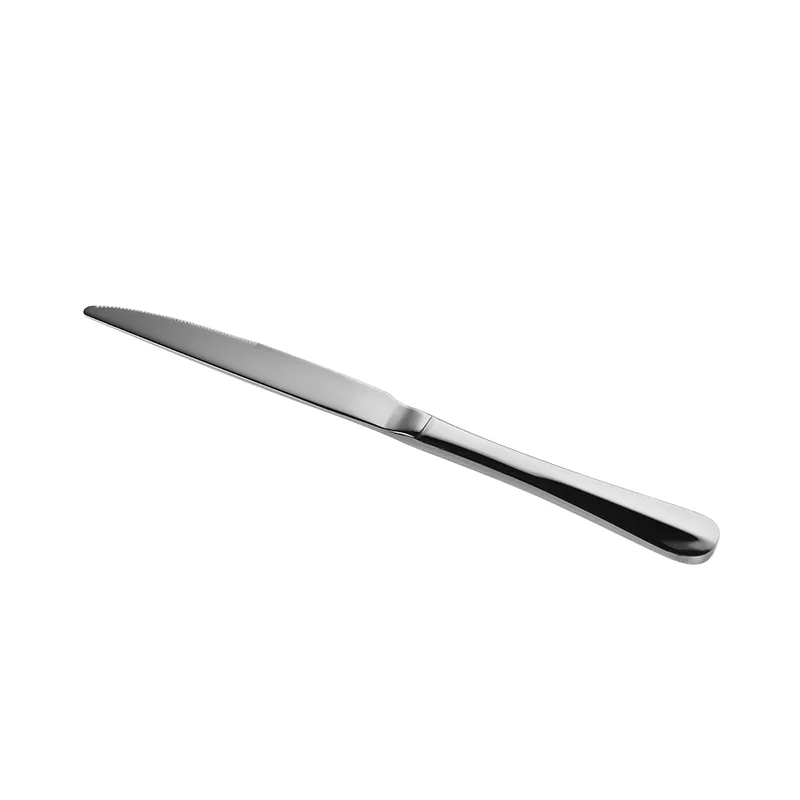 Customized Logo Designs Slive Dinner Knife with Classic Shape
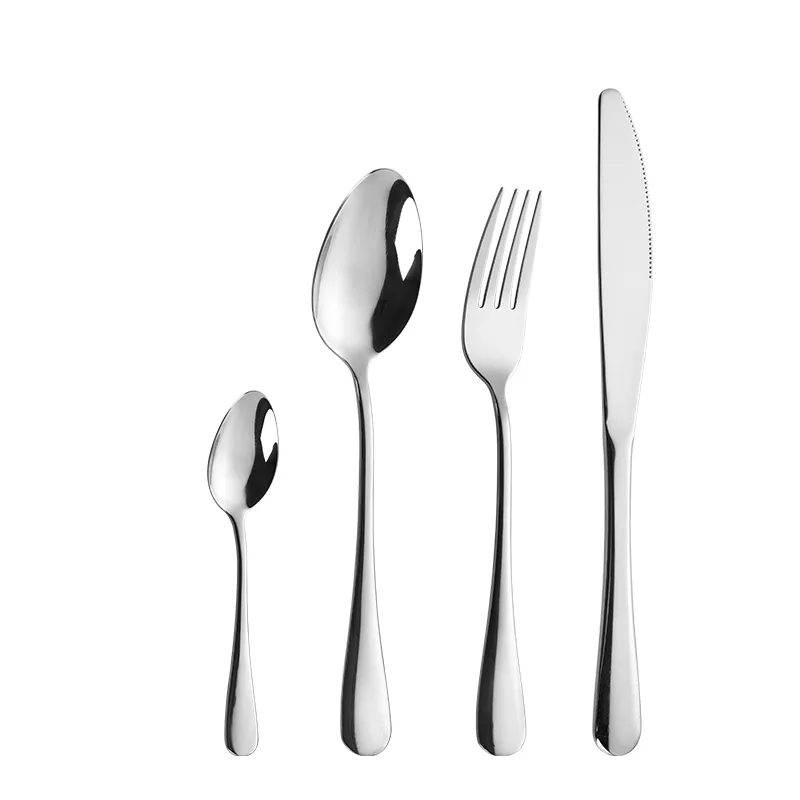
 Stainless Steel Dinner Fork, Classic Solid Handle Table Fork for Home Restaurant Western Food
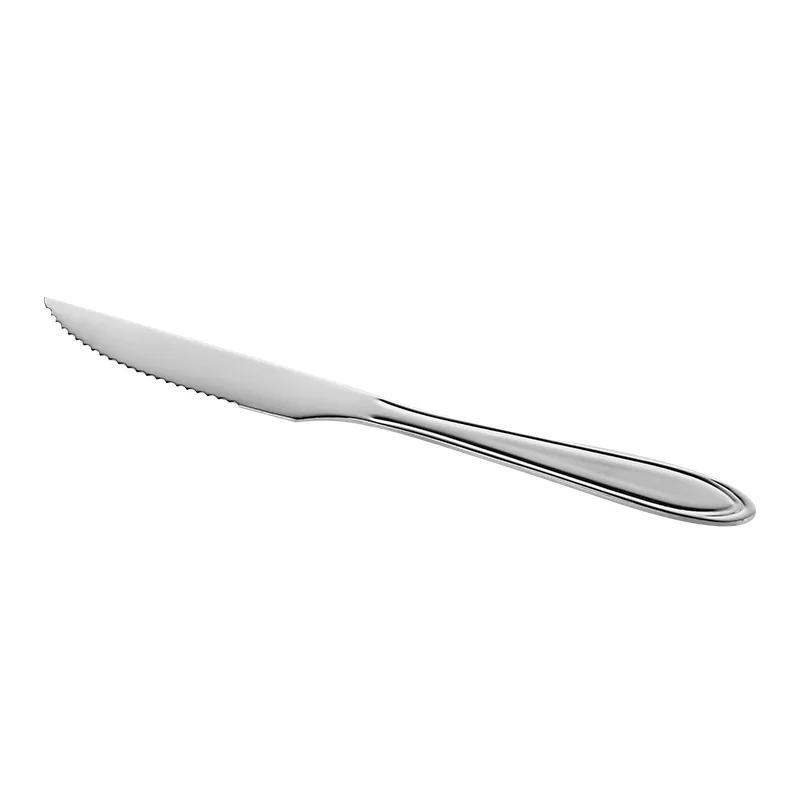 410 Stainless Steel Sharp Steak Knife In Bulk Price
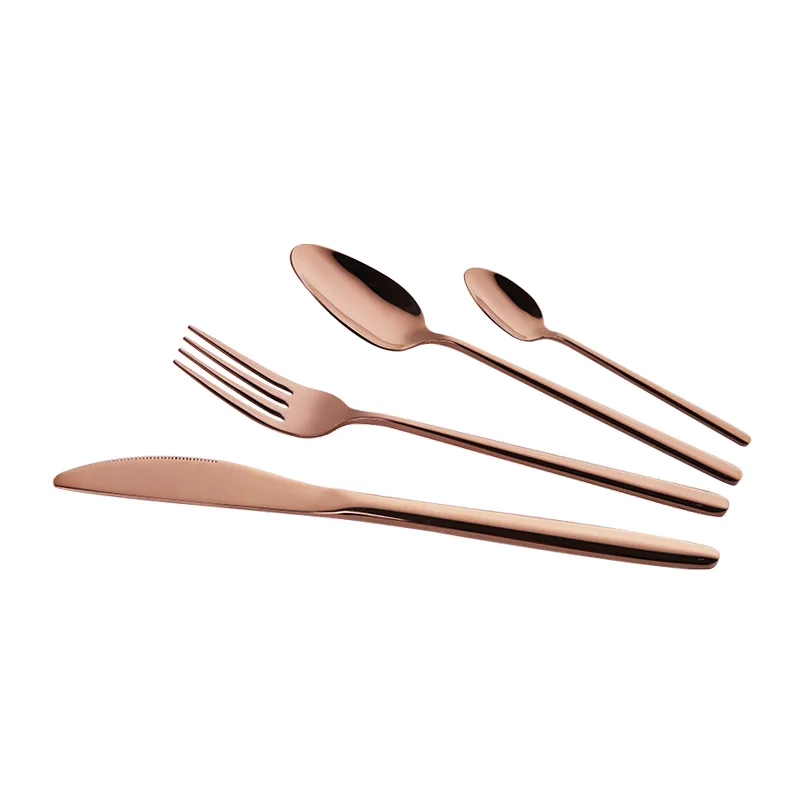 13/0 Stainless Steel Rose Gold 16pcs Tableware Dinner Set